


By: Injection Molding Technology Team, Qingdao OULI Machine
In the competitive field of rubber processing, selecting the right rubber injection molding machine is a critical decision for manufacturers aiming to produce complex, high-precision components efficiently. As industries from automotive to electronics demand tighter tolerances and faster production cycles, the shift from traditional compression molding to injection technology has become evident.
Manufacturing facilities looking to upgrade their capabilities are increasingly focusing on equipment that offers full automation, consistent quality, and reduced operational downtime. According to recent technical insights from Qingdao OULI Machine, a manufacturer based in the Wangjialou Industrial Zone, Huangdao District, modern rubber injection presses integrate several key engineering advancements that directly address these market needs.
Moving Beyond Traditional Molding
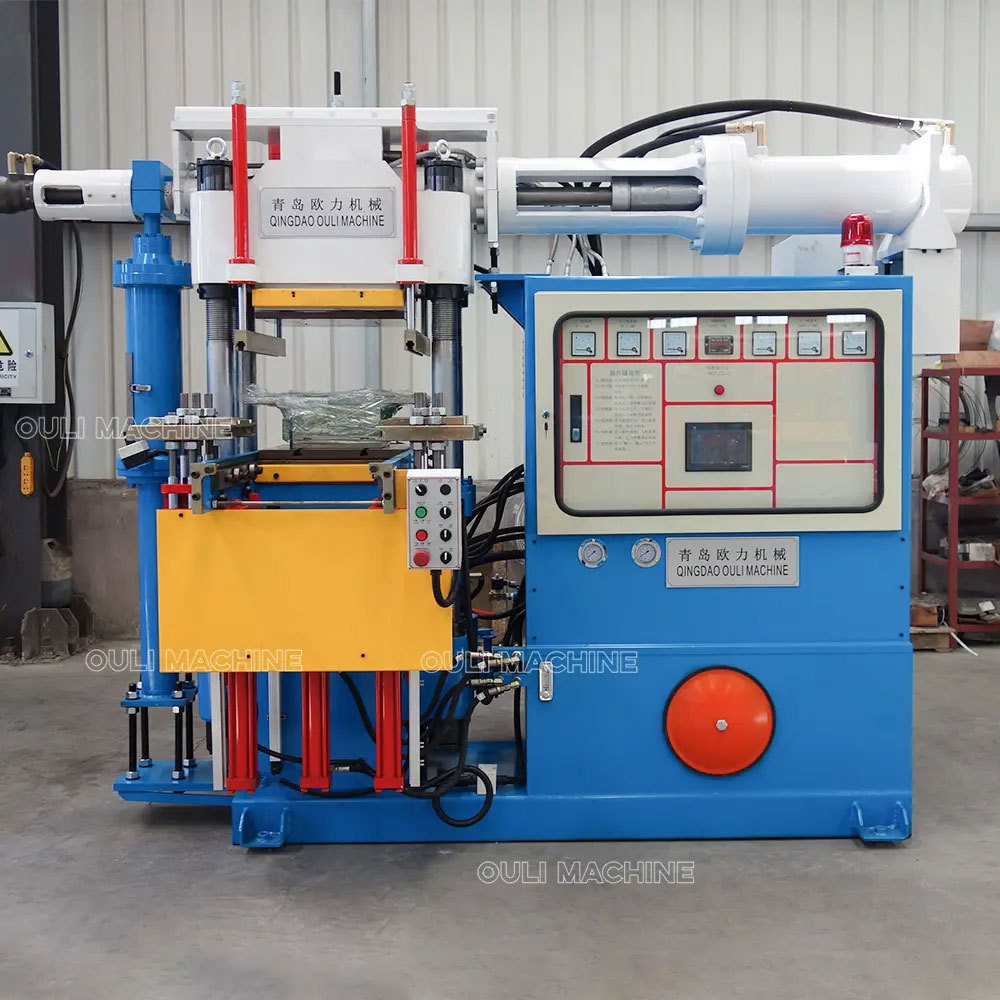
Unlike conventional vulcanizing presses that require manual material placement, a modern rubber injection molding machine automates the entire process. The equipment preheats and plasticizes the rubber compound in a barrel before injecting it under high pressure and high speed into a closed mold cavity. The material then rapidly vulcanizes at high temperatures.
This method offers distinct advantages over traditional processes:
- Fully automated production from material feeding to finished part output
- Higher repeatability for complex rubber components
- Reduced waste through precise material injection
Core Technical Features for Reliable Operation
When evaluating equipment, experienced buyers focus on critical components that determine long-term reliability. Recent designs from established manufacturers incorporate several robust engineering solutions:
1. Intelligent Control Systems: Machines now feature automatic up/down cycles, automatic exhaust, pressure maintenance, pre-heating, constant temperature control, and timing alarms. Operators can switch between manual and automatic modes as needed.
2. Durable Column Construction: Quality machines use 40CR material for columns, with surfaces that undergo quenching and high-temperature tempering. Hard chrome plating follows this process, resulting in surface hardness reaching HRC55-58.
3. High-Strength Cast Components: The upper seat, middle seat, and bottom seat (oil cylinder) benefit from SOLIDWORKS-assisted mechanical design. Using QT-500 ductile iron with aging passivation treatment provides high strength and toughness, with a tensile strength of 50kgf/mm².
4. Extended-Wear Plungers: Plungers made from LG-P cold hard alloy material achieve a cold-hard layer depth of 15-20mm, with hardness reaching HRC60-70. This significantly extends service life compared to standard components.
5. Precision Heating Plates: Heating plates and support plates, precision-ground from 45 steel with nitriding treatment, deliver exceptional wear resistance. Manufacturers can machine T-slots upon request to accommodate specific mold designs.
6. Advanced Sealing Systems: Modern four-stage sealing structures use oil-resistant, aging-resistant, and wear-resistant materials. This design prevents leakage and pressure loss, a common concern in high-cycle production environments.
7. Standardized Hydraulic Components: Hydraulic systems using standardized parts, such as those from JAPAN YUKEN, simplify maintenance and replacement. A clean, accessible layout further reduces downtime.
Planning for Global Operations
For international buyers, after-sales support plays a decisive role in equipment selection. Manufacturers sourcing from overseas should verify the supplier’s capability to provide technical assistance.
Qingdao OULI Machine indicates that their support structure includes:
- Pre-sales technical consultation covering water, electrical, and factory layout requirements
- On-site commissioning and installation through experienced technical engineers (additional costs apply for overseas travel)
- 12-month warranty on the whole machine, with extended coverage on key components
- 24-hour technical support via email or online video for troubleshooting
Summary
As rubber component specifications become more demanding, the rubber injection molding machine has evolved from a specialized piece of equipment to a core production asset. Buyers are advised to evaluate machines based on automation capabilities, material science applied to wear components, and the manufacturer’s proven ability to support overseas installations.
For technical specifications or to discuss application requirements, procurement teams can contact engineering support directly through manufacturer channels.
---
About the author: The Injection Molding Technology Team at Qingdao OULI Machine focuses on rubber vulcanizing press applications for global manufacturing clients. The team combines mechanical design expertise with field service experience across multiple production environments.
 2026/05/29Qingdao Ouli Machine Co., Ltd. Invites You to Expobor 2026 – Brazil Rubber Industry Expo
 2026/05/21Rubber Crumb Mixer: Why Proper Homogenization is the First Step to High-Quality Reclaimed Rubber
- 2026/05/12Rubber Banbury Mixer: Optimize Your Rubber Compounding Process with High Shear Efficiency

leave your message
